
This shotgun buyer’s guide is about fit and function, not a ranked list of models. The useful questions are simple: how the action works, which gauge is marked on the barrel, whether the gun fits your shoulder, and which choke the barrel is set up to use.
The action is the first fork in the road
A break-action shotgun opens at a hinge. Many of them have one or two barrels. They are straightforward to load, unload, and look through, which is why they show up in hunting camps and on clay ranges. You get one shot per barrel before you open the gun again.
A pump moves a forearm to chamber the next shell. The shooter supplies the cycle, so a pump keeps working when a semi-auto might be picky about a light target load. A semi-auto uses gas or recoil to cycle. It can be faster on a second shot and softer for some people, and it asks more of the ammunition and of cleaning. None of these actions is the correct one for every job. Browse the shotgun category with the action in mind, then confirm the details on the maker’s page. Browning, Winchester, and Beretta all publish their current shotgun lines.
Gauge is not a suggestion
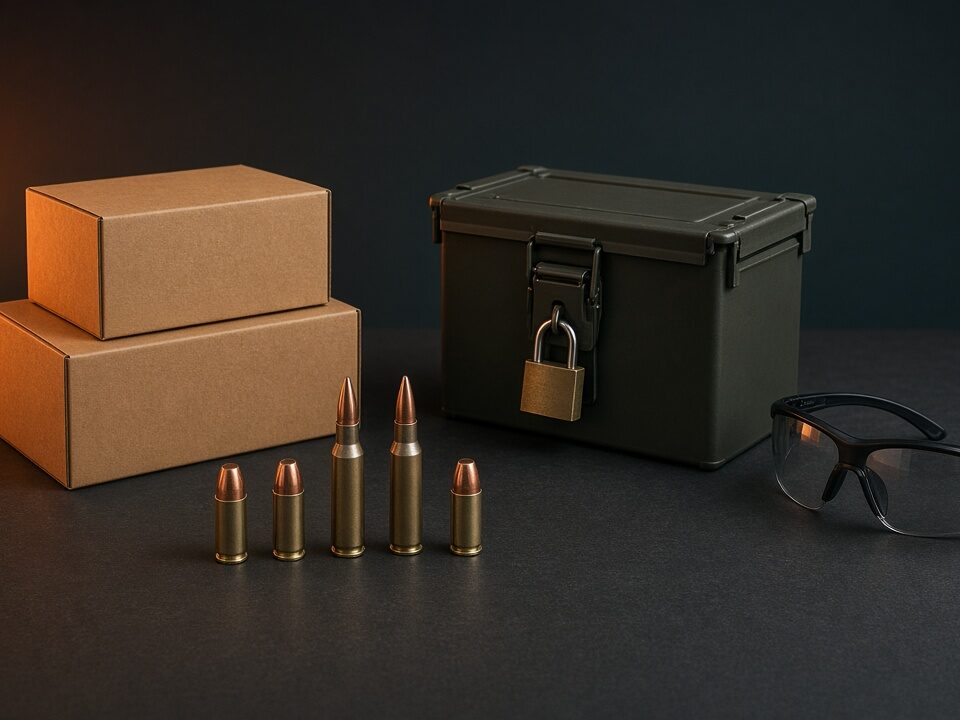
The barrel or receiver is marked with a gauge, or with .410. A 12 gauge shell does not belong in a 20 gauge gun, and the reverse is just as wrong. Shells that look similar can be a dangerous mismatch. Read the stamp, then match the box to that stamp. The Sporting Arms and Ammunition Manufacturers’ Institute publishes the technical dimensions the factories work from. Our ammunition basics article walks through how to read a box, and the ammo category is where shells are listed when they are in the catalog.
Among common sporting gauges, 12 gauge is the widest selection of factory loads. 20 gauge recoils less for many shooters and still covers a lot of bird and clay shooting. .410 is a small bore with a small payload. It is not a beginner shortcut. A lighter gun can be harder to shoot well, not easier, if the pattern is sparse. Pick the gauge that matches the shooting you actually do, and that you can practice with.
Fit is felt at the shoulder, not on a spec sheet
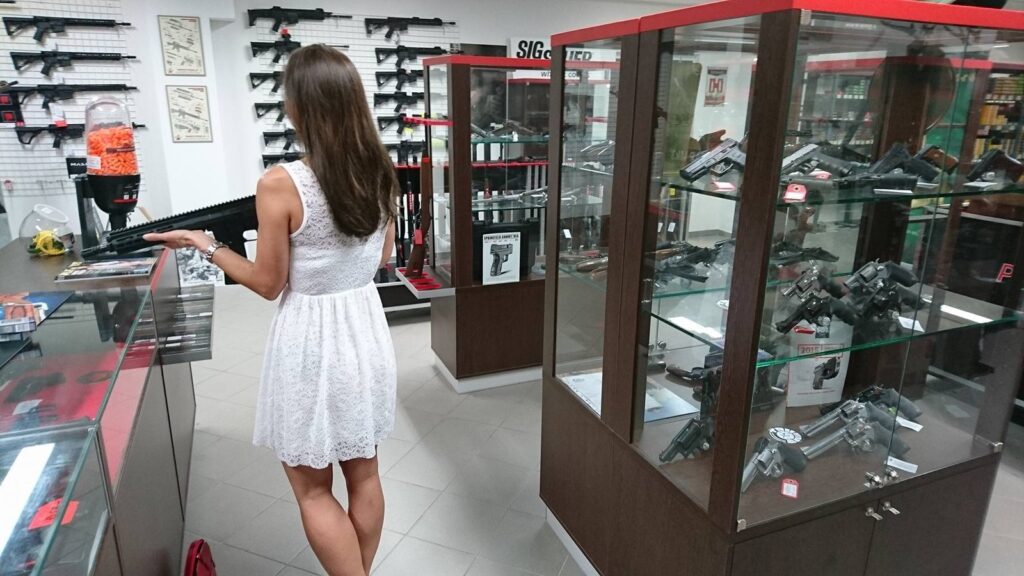
Length of pull is the distance from the trigger to the back of the butt. A stock that is too long makes you crawl up the gun. A stock that is too short crowds you. Drop and cast change where your eye sits relative to the rib. The check is practical: shoulder the unloaded gun, close your eyes, open them, and see whether you are looking down the rib or fighting the stock to get there. Do that in the shop before you fall in love with a photo.
Your dominant eye matters as much as the stock. If your dominant eye and your dominant hand do not match, a gun that “points” for someone else may crossfire for you. A short session with an unloaded gun will tell you more than another review.
Choke is how the barrel manages the shot
A choke is a constriction at the muzzle. Cylinder and improved cylinder open the pattern for closer work. Modified and full tighten it for farther targets. Many modern guns use screw-in tubes so one barrel can wear more than one choke. The tube has to match that barrel’s thread. Do not assume a tube from a different brand will be safe or even fit. The owner’s manual, not a forum chart, is the list of tubes that belong in that gun.
Hunting rules about shot size and plugs are a separate question from choke. Those rules come from Texas Parks and Wildlife or from the range you are shooting, not from a choke tube. Confirm them before a trip.
Before you buy
Match the action to how you want to shoot, match the shell to the stamp on the barrel, and shoulder the gun. If you are choosing a first shotgun, say so when you contact the shop. Bring up the kind of shooting, not a slogan. Clays, birds, and a truck gun are different jobs, and a single “best” gauge does not cover all three.