
Buying a first firearm should feel deliberate, not rushed. The goal is not simply to leave with a popular model. It is to choose a firearm you can lawfully own, operate safely, practice with, maintain, and secure from unauthorized access.
Here is the practical process we recommend for first-time Texas buyers.
Define the job before choosing the firearm
“What should I buy?” is hard to answer until you define the primary use. A firearm for supervised range practice, lawful concealed carry, home defense, hunting, or competition will create different priorities.
- Range practice: Comfortable fit, manageable recoil, available ammunition, and simple maintenance matter.
- Lawful carry: Size and weight matter, but so do safe handling, reliable function, and a rigid holster that protects the trigger guard.
- Home defense: Consider who can access and operate the firearm, safe storage, training, lighting, and the layout of the home.
- Hunting: Species, distance, terrain, legal methods, and current regulations should drive the choice.
Pick one primary role. A first firearm that is sensible for one real use is better than one compromised by a dozen hypothetical uses.
Compare fit and operation in person
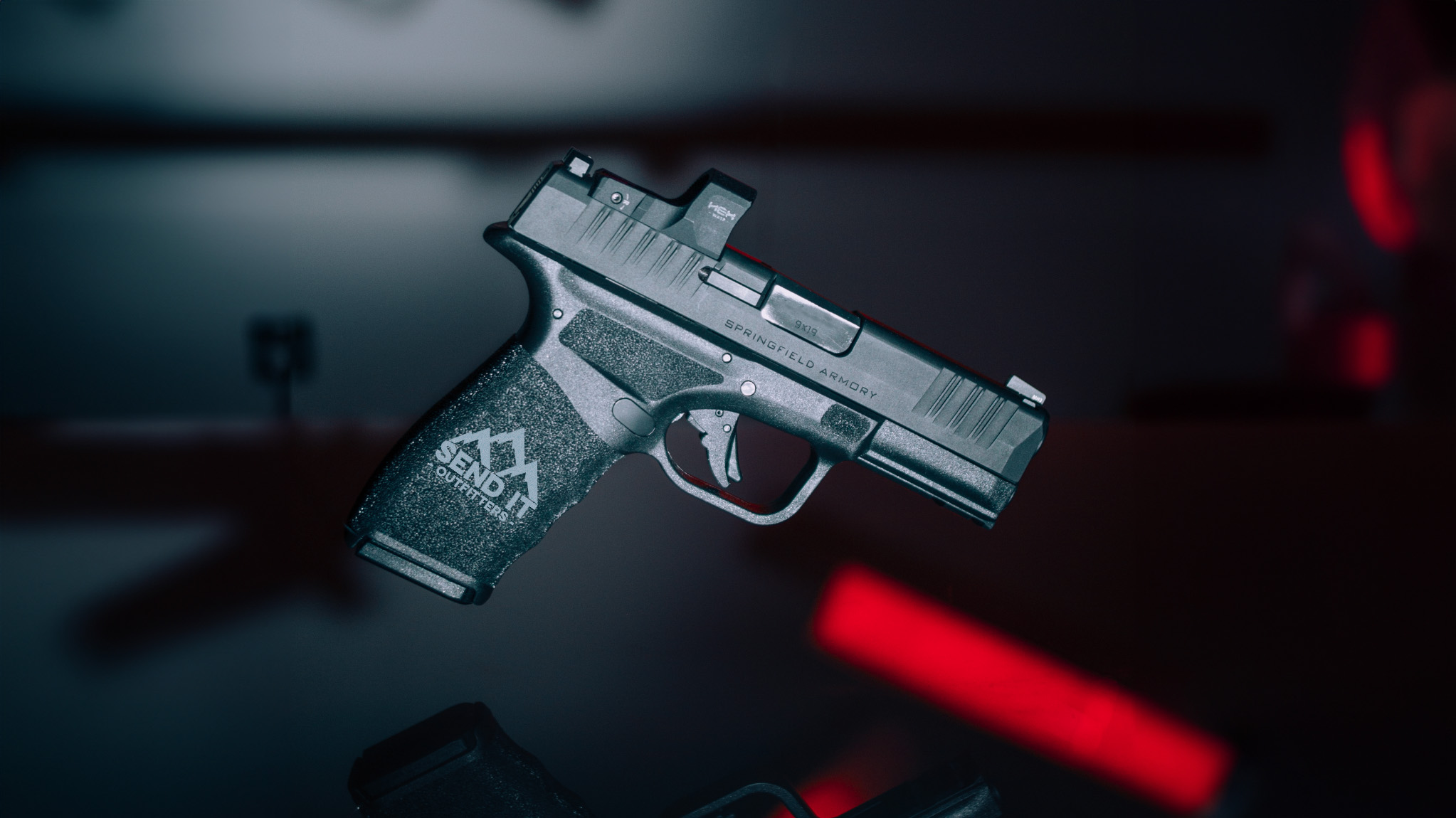
Under a dealer’s direction and only after the firearm is verified unloaded, check whether you can establish a stable grip, reach the controls, see the sights, and operate the action. Hand size alone does not determine fit. Grip angle, circumference, trigger reach, control placement, spring tension, and balance all contribute.
For pistols, our handgun buyer’s guide provides a detailed comparison checklist. For long guns, pay attention to stock fit, length of pull, weight, balance, recoil, and whether the sights or optic can be used with a natural head position.
If possible, rent or test-fire likely choices at a supervised range. A model that feels good at a counter may feel different under recoil.
Choose a caliber or gauge you can support
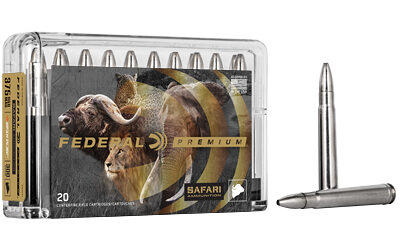
The biggest cartridge is not automatically the best choice. Recoil, firearm size, ammunition availability, practice cost, lawful use, and shooter ability all matter. Choose something you can practice with regularly and control safely.
Read the full cartridge or shell designation in the manufacturer’s manual. Similar-looking ammunition is not necessarily interchangeable. Our ammunition basics guide explains the labels and common projectile types.
Plan the complete budget
A responsible setup costs more than the firearm alone. Include:
- A locked storage solution suited to your household
- Eye and ear protection
- Quality practice ammunition
- A safe, purpose-built case for transport
- A rigid, compatible holster if the handgun will be carried
- Cleaning and maintenance supplies specified by the manufacturer
- Professional instruction and range time
- Transfer, shipping, tax, permit, or range fees that may apply
Do not spend the entire budget on the firearm and leave no room to learn or secure it.
Know what happens at a Texas FFL
A dealer must verify that a transfer can lawfully be completed. Bring acceptable, current identification and complete all required paperwork truthfully. Depending on the transfer and buyer, a background check and additional documentation may be required. Federal, state, and local rules—as well as dealer policy—can affect the process.
The actual buyer must complete the paperwork. Never buy a firearm for someone who cannot lawfully receive one or misrepresent who the actual transferee is. If you have eligibility, residency, identification, or paperwork questions, ask the FFL before ordering.
If you are ordering online, read how online firearm orders and FFL transfers work. A firearm purchased from an online retailer is generally shipped to a receiving FFL, where the buyer completes the transfer in person.
Arrange safe storage before pickup
Storage is not an accessory to think about later. Choose a locked container or safe that prevents access by children, visitors, and other unauthorized people while fitting your home and emergency plan. Learn how the locking system works and decide who controls keys, combinations, or biometric enrollment.
Store ammunition cool, dry, organized, and secured. Laws and household circumstances vary, so the right setup may be more restrictive than a minimum legal requirement.
Get instruction early
A good introductory class covers safe handling, loading and unloading, storage, maintenance, range commands, marksmanship fundamentals, and what to do when the firearm does not operate normally. Continue practicing after the class; safe gun handling is a maintained skill.
Before every handling session, follow the four rules of firearm safety. Read the exact firearm’s owner’s manual from beginning to end.
Your first-buyer checklist
- Define one primary use.
- Set a total budget that includes storage, protection, ammunition, and training.
- Handle multiple compatible options and test-fire when possible.
- Confirm the complete caliber or gauge designation.
- Verify current purchase and possession requirements.
- Set up secure storage before pickup.
- Schedule instruction and regular practice.
Browse handguns, rifles, and shotguns, then contact Send It Outfitters when you want help narrowing the list. We will focus on the role, fit, and ownership plan—not pressure you into a one-size-fits-all answer.
This article is general educational information, not legal advice. Firearm laws and transfer requirements can change; verify current rules with the appropriate authorities and your FFL.