Good hunting-season preparation starts before the range trip and well before opening morning. Texas seasons, bag limits, legal methods, and county rules can change from year to year, so an old checklist—or last season’s memory—is not enough.
Use this guide to organize the work, then verify the current rules for your exact species and location in the Texas Parks & Wildlife Department Outdoor Annual.
1. Verify this season’s rules
Before buying gear or ammunition, confirm:
- License, stamp, endorsement, and hunter-education requirements
- Season dates and legal shooting hours for the species
- County-specific bag limits and special regulations
- Legal firearms, archery equipment, ammunition, and shot material
- Public-land permits, check-in procedures, and clothing requirements
- Tagging, proof-of-sex, reporting, and harvest-log obligations
Rules can differ across neighboring counties and between public and private land. Save or print the current official information instead of relying on an old screenshot or a social-media summary.
2. Inspect the firearm while it is unloaded
Following the manufacturer’s manual, verify the firearm is unloaded and check its overall condition. Look for rust, damage, loose hardware, bore obstructions, cracked stocks or grips, and anything that has changed since its last use. Clean and lubricate only as directed; excess oil can attract debris and may cause problems in cold or dusty conditions.
If a part appears damaged or the firearm does not function correctly during an unloaded function check, stop and have it inspected by a qualified gunsmith. Do not make opening morning the test.
Need a refresher? See our guide to firearm cleaning and maintenance and always defer to the manual for your exact model.
3. Check mounts, sights, and zero
Inspect scope bases, rings, screws, iron sights, and any protective caps. Follow the optic and mount manufacturers’ torque specifications rather than guessing. Clean lenses with products intended for coated optics.
At a safe range, confirm zero with the same load you plan to carry. A change in bullet weight, load, lot, mount, or environmental conditions can shift point of impact. Practice from lawful field positions you can use safely and ethically, not only from a bench.
If you are replacing equipment, our practical optics guide explains red dots, LPVOs, and traditional scopes, and the optics catalog shows current options.
4. Match lawful ammunition to the firearm and hunt
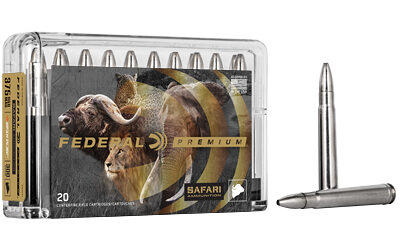
Use only the exact cartridge or shell approved by the firearm manufacturer. Then verify that the projectile or shot type is lawful and appropriate for the game, season, and property. Texas and federal rules can require specific ammunition or non-toxic shot for some hunting.
Inspect every box for the complete designation and keep loads separated. If you change ammunition, confirm function and point of impact before the hunt. Our ammunition basics guide covers cartridge markings, bullet types, shotgun shells, inspection, and storage.
5. Build a field-ready gear check
- Current license, permits, tags, identification, and offline copies of regulations
- Weather-appropriate layers, required visibility clothing, and broken-in boots
- Eye and ear protection suitable for the hunt
- Navigation tools, charged phone or communicator, map, and backup power
- Water, food, personal medication, sun protection, and insect protection
- First-aid supplies and the training to use them
- Game-care tools, gloves, lighting, and legal tagging or reporting supplies
- A secure case and a plan for lawful transport and storage
Test electronics, lights, rangefinders, and radios before leaving. Replace expired medical items and weak batteries. Pack for the actual forecast, but be ready for Texas weather to change quickly.
6. Make the trip plan part of safety
Tell a reliable person where you will be, who is going, the vehicle you are using, and when you plan to return. Mark property boundaries and no-shoot areas. Discuss safe zones of fire with the group and identify livestock, roads, buildings, and other hazards before the hunt begins.
Have an emergency and extraction plan for both people and harvested game. Remote areas may not have dependable cell service. A plan that exists only on a phone with a dead battery is not a plan.
7. Refresh the non-negotiable safety rules
Treat every firearm as if it is loaded; keep the muzzle pointed in a safe direction; keep your finger off the trigger until the sights are on target and you have decided to fire; and be certain of the target, foreground, and background. Positively identify legal game. Never use a scope as a substitute for binoculars when identifying something you have not confirmed as a target.
Review the four rules of firearm safety with everyone in the group before the trip.
After the hunt
Unload and secure the firearm according to the manual and applicable law. Dry wet equipment promptly, inspect the firearm for moisture or debris, record any equipment problem, and replenish first-aid and field supplies. Complete required tagging and reporting on time.
When a rifle, shotgun, or optic needs replacing, browse rifles, shotguns, and optics, or contact Send It Outfitters for help checking compatibility.
This checklist is general educational information, not a substitute for the current TPWD Outdoor Annual, landowner rules, or legal advice.