
This rifle buyer’s guide starts with the marks on the barrel, not with a trend. Action type, cartridge, stock fit, and the optic you plan to mount will tell you more than a single “best rifle” list.
Name the action before you name the brand
A bolt action chambers the next round when you lift and cycle the handle. It is common for deliberate hunting and target shooting, and it is easy to see whether a round is in the chamber when the bolt is open. A lever action cycles from a loop under the grip. Many classic lever guns are quick to shoulder in brush, and the cartridge list is specific to that model, not to “rifle” in general. Henry publishes its current lever-action lines if you want to see how a maker describes them.
A semi-auto cycles itself. Modern sporting rifles in that family vary by barrel length, gas system, and handguard. Looking similar is not the same as sharing parts. FN and CMMG both publish rifles in that broad category, and their spec pages are the right place to confirm a model. A single-shot or a straight-pull is a different tool again. Pick the action that matches how you will actually shoot, then look through the rifle category with that filter in your head.
The cartridge name has to match the barrel
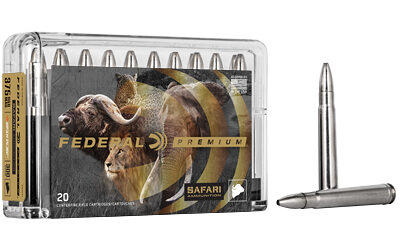
Caliber, in casual speech, is a diameter. The cartridge name stamped on the barrel is the thing the chamber was cut for. Two cartridges can share a bullet diameter and still be unsafe in each other’s guns. Read the stamp, then buy ammunition that uses that full name. Our ammunition basics article covers how boxes are marked, and the ammo category is the catalog list. The SAAMI technical library is where the factories publish cartridge dimensions.
Twist rate is a barrel spec, usually a ratio such as one turn in a given number of inches. It influences which bullet lengths stabilize. It is not something you can guess from the cartridge name alone. If a listing omits twist, check the manufacturer page before you build a handload plan or buy a specialty bullet. Factory ammunition that the maker says is correct for that rifle is the safe starting point.
Stock fit and barrel length are handling choices
Length of pull, comb height, and grip shape decide whether the rifle comes to your eye or makes you crane your neck. Shoulder an unloaded rifle and see where your eye lands. A youth stock or an adjustable stock exists because one length does not fit every arm. Do that check in person when you can.
A shorter barrel is easier to carry in a blind or a truck. A longer barrel often adds a little velocity and a longer sight radius, and it can feel slower in tight cover. Neither length is a moral position. Match it to the shooting, and confirm the actual length on the spec page rather than guessing from a photo.
Plan the optic before you plan the accessories
A rifle without a sighting plan is an unfinished purchase. Iron sights, a red dot, and a magnified scope solve different problems. Our red dot and scope guide compares those jobs, and the optics category is where the sights are listed. Check whether the rifle has a rail, drilled holes, or no mounting surface at all. Screws and rings that do not match the rail can damage the receiver.
Before you buy
Write down the action, the exact cartridge stamp, and the kind of shooting. If you are buying a first rifle, say that when you contact the shop. Bring the distances you care about and whether you already own an optic. A clear job makes a better match than a caliber nickname.